

Reinvent Yourself by Solving The Problems You Have Been Avoiding
Break free from procrastination by facing problems head-on. Learn how small steps and daily action can help you grow, change, and reinvent yourself.

Reinvent Yourself by Learning the Art of Acceptance
Acceptance is key to personal transformation. Learn how embracing reality, letting go of false expectations, and practicing honesty fosters reinvention.

Reinvent Yourself by Removing All That Is in Your Way
Clear the barriers holding you back from success. This article shows how letting go of fear, clutter, and limiting beliefs can help you reinvent yourself.

Reinvent Yourself by Adopting New Coping Skills
Transform stress into growth by adopting new coping skills. Discover mindfulness, reframing, and flexibility techniques to reinvent your life.

Reinvent yourself: Eliminating Old Baggage
Lighten your load by letting go of emotional baggage. Discover how eliminating regrets and old burdens helps you move forward and reinvent yourself

Reinvent Yourself: Identify Your Why’s and Change Your Life
Find your purpose by identifying your “why.” This article helps you connect passion, energy, and goals to create lasting life changes.

Reinvent Yourself by Finding Your True Calling
Discover how to identify your true calling with self-reflection, passion, and purpose. Learn questions to guide your journey toward a more fulfilling life.

Reinvent Yourself by Letting Go of Bad Beliefs
Release limiting beliefs that hold you back. Learn practical steps to challenge negative labels, embrace your potential, and reinvent yourself.

How to Manage a Disability in the Workplace
Managing a disability in the workplace requires proactive communication, self-advocacy, and collaboration with your employer. Here are some steps to effectively manage a disability at work:

Best Resume Writer Platforms
When looking for professional resume writing services, several platforms offer high-quality assistance to help you create a compelling and effective resume. Here are some of the best resume writer platforms available:

Career Change: Resources for Success
When considering a job change, it's essential to have access to reliable resources that can provide guidance and support throughout the process. Here are some valuable resources that can assist you in your job change journey:
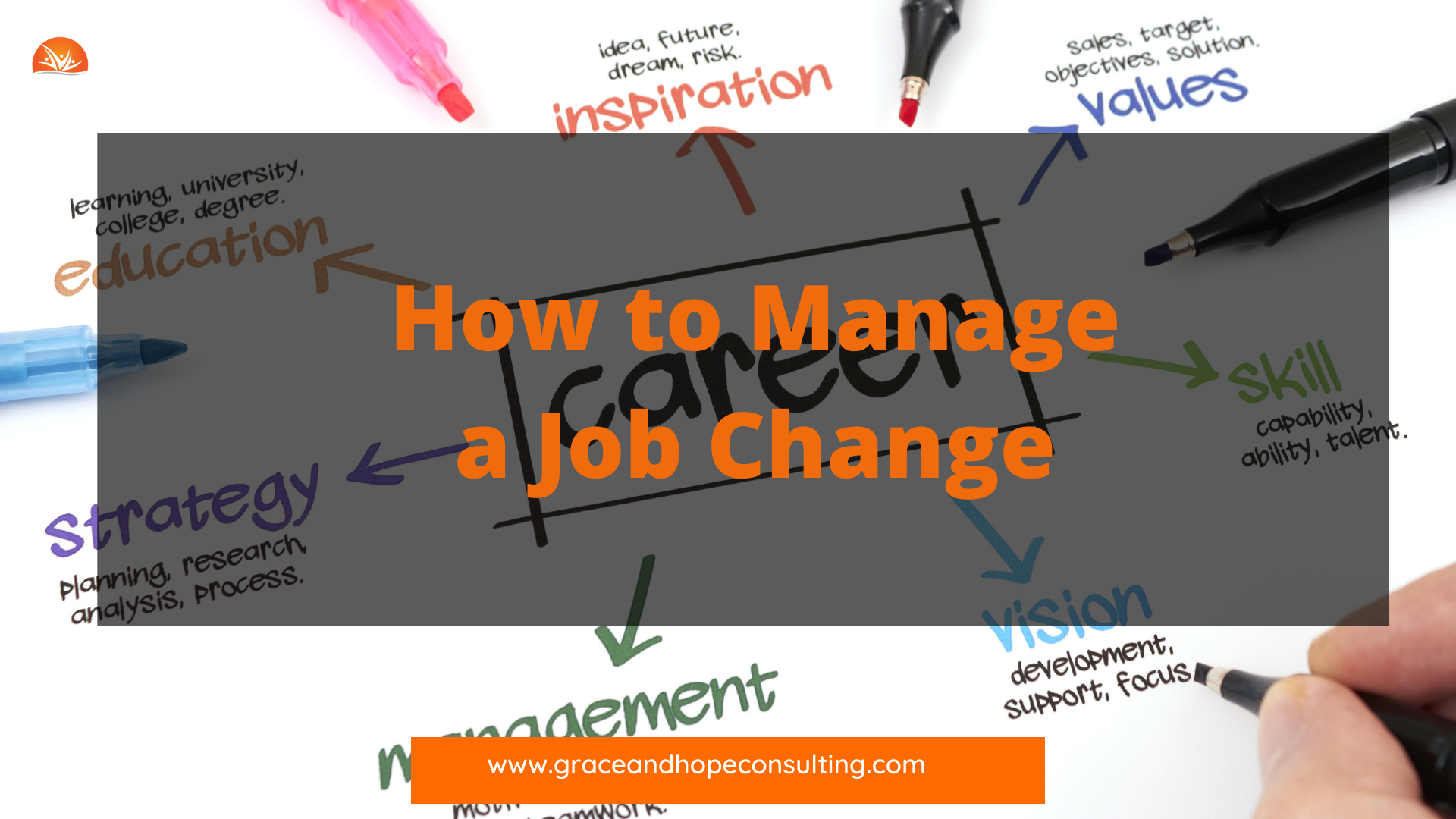
How to Manage a Job Change
Managing a job change can be an exciting yet challenging endeavor. Here are some steps to help you effectively navigate the process:

Essential Steps for Career Change
Changing jobs can be an exciting and transformative process, but it requires careful planning and execution to ensure a smooth transition. Here are some essential steps to consider when embarking on a job change:

The Courage to Change Jobs: Embracing a Path of Growth and Fulfillment
Gone are the days when individuals would commit to a single career for their entire lives. Changing jobs has emerged as a powerful catalyst for personal and career development, allowing individuals to seek new challenges, expand their skill set, and ultimately find fulfillment in their work. In this article, we will explore the reasons behind the growing trend of changing jobs and the potential benefits it can offer.

How to Enhance Your Job Satisfaction
Job satisfaction plays a vital role in overall well-being and professional success. Here are some tips to enhance job satisfaction:
How to Prioritize Your Wellbeing at Work
Prioritizing your well-being at work is essential for maintaining a healthy work-life balance and overall happiness. Here are some strategies to help you prioritize your well-being in the workplace:

How to Set Boundaries at Work
Setting boundaries at work is important for maintaining a healthy work-life balance, managing stress, and preserving your well-being. Here are some strategies to help you establish and maintain boundaries in the workplace:

How to Manage Chronic Illness in the Workplace
Managing a chronic illness in the workplace can be challenging, but with proper strategies and support, it is possible to maintain productivity and well-being. Here are some tips for effectively managing a chronic illness while working:

Creating a Culture of Accountability in the Workplace
Improve performance and trust with a workplace accountability culture. Learn leadership strategies for clear expectations and consistent feedback.

Best Practices for Remote Team Management
Lead remote teams effectively with proven virtual management strategies for communication, productivity, and employee engagement.